The Death of the Bridge: Why Modern Songs Are Getting Shorter
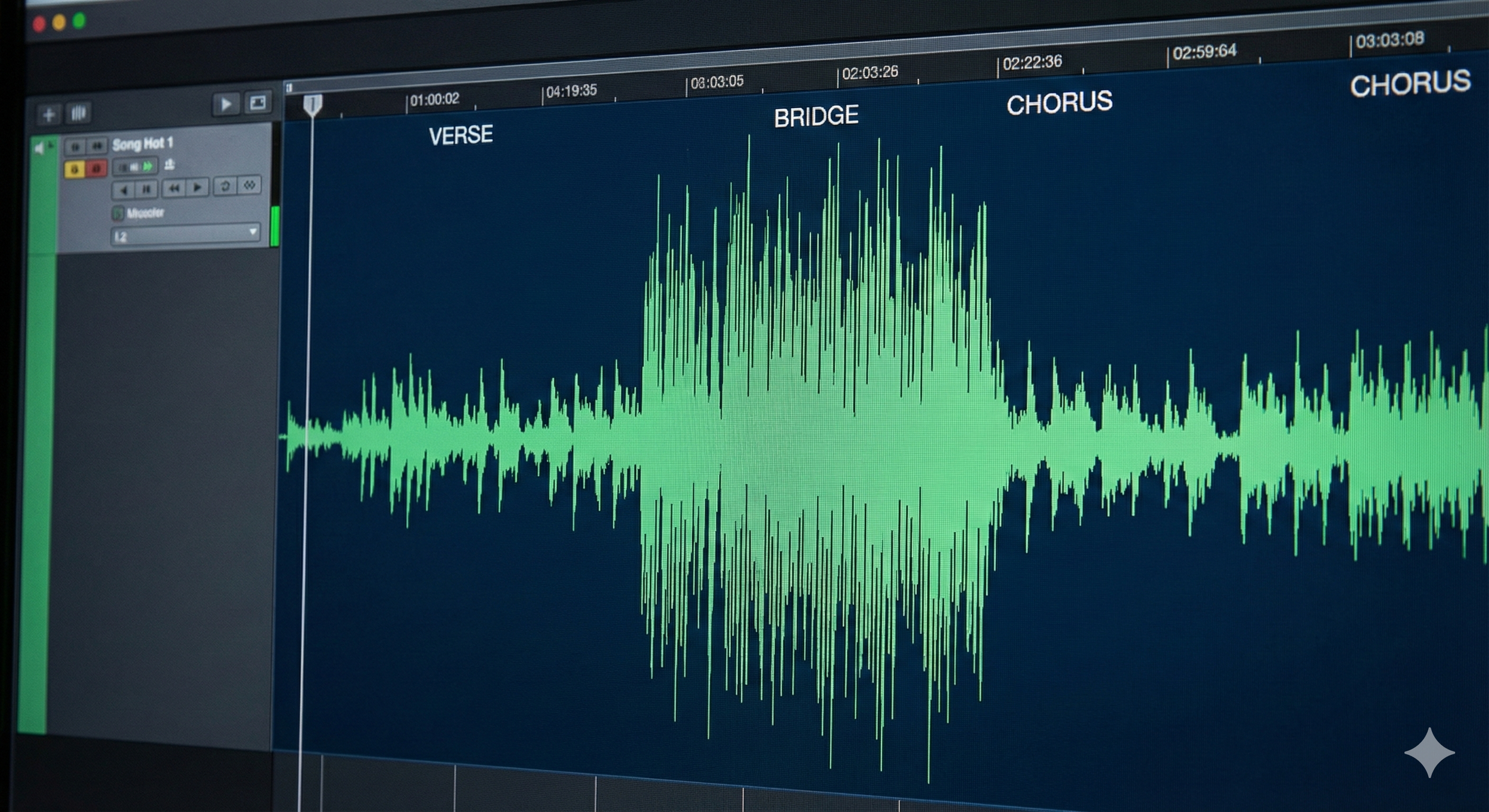
If you analyze the structure of a hit song from 1985 vs. 2025, one big piece is missing.
The Bridge.
For non-musicians, the bridge (sometimes called the "Middle 8") is that section about two-thirds of the way through a song. It usually comes after the second chorus. The melody changes, the chords shift, and the lyrics offer a new perspective before the final climax.
It is the section of the song that makes you want to scream the lyrics in your car.
Yet, modern pop songs are increasingly ditching the bridge to keep the runtime under 2 minutes and 30 seconds. As a songwriter who views the bridge as the "climax" of the movie, I think this is a tragedy.
Here is why the bridge is dying, why the algorithm is to blame, and the iconic songs that prove we still need it.
1. The "Spotify Economy"
Why are songs getting shorter? The answer, sadly, is money.
In the streaming era, an artist gets paid per "stream." A stream counts after 30 seconds. Whether you listen to a 2-minute song or a 7-minute song, the payout is exactly the same.
Therefore, it is more profitable to write shorter songs. If an album has 20 short songs, you can generate more streams than an album with 10 long songs. The bridge—which usually adds 30 to 45 seconds to a track—is seen as "wasted time" by the algorithm.
2. The "TikTok" Attention Span
We also have to blame our own attention spans.
On TikTok, the "Hook" is everything. You need to grab the listener in the first 3 seconds. Songwriters are now front-loading songs with the chorus to stop people from scrolling. By the time you get to the 2-minute mark (where the bridge used to live), the data suggests that most listeners have already clicked "Next."
Writing a bridge requires patience from the listener. It asks you to wait for the payoff. And patience is in short supply.
3. The Bridge "Hall of Fame": 3 Examples That Prove It Matters
To prove that the bridge isn't just "extra time," let's look at three songs that would be boring without one. These bridges take the song from "good" to "legendary."
The Police - Every Breath You Take: The middle section ("Since you've gone I've been lost without a trace...") changes the entire mood. It turns a creepy song into a desperate one. Without it, the song is just a repetitive loop.
Taylor Swift - Cruel Summer: I have to give credit where it’s due. Modern artist Taylor Swift is keeping the bridge alive. The shouting bridge in this song is the most streamed part of the track. It proves that even Gen Z listeners crave that emotional release.
Journey - Faithfully: The "I'm forever yours..." section isn't just a bridge; it’s the emotional peak of the 80s. It allows the vocalist to soar before bringing it back down.
4. Why We Need The Bridge (The Artistic Argument)
In songwriting terms, the bridge is the "plot twist."
Verse 1 sets the scene.
The Chorus states the theme.
The Bridge is the conflict/resolution.
It takes the listener to a new place—a higher key, a different rhythm, a vulnerable confession—before bringing them back home for one final, massive chorus. Without a bridge, a song doesn't travel anywhere; it just spins in place.
(Struggling to finish your own songs? Read my advice: Stuck on a Verse? 3 Ways to Break Through Writer’s Block)
My Take: I Still Build Bridges
Call me old school, but I refuse to write a song without taking the listener on a complete journey. I believe you need that moment of departure—that musical breath of fresh air—to make the final chorus earn its payoff.
When I write, I don't look at a stopwatch. I look for the emotion. If the song needs a bridge to tell the full story, it gets a bridge.
Listen for the Twist
When you listen to my EP My Continuum, pay attention to the middle sections of the songs. That’s where the story deepens. That is where the musicality shines.
Listen to the full journey on Spotify: