AOR In Hawaii Pt.2 – Interview With Kamasami Kong
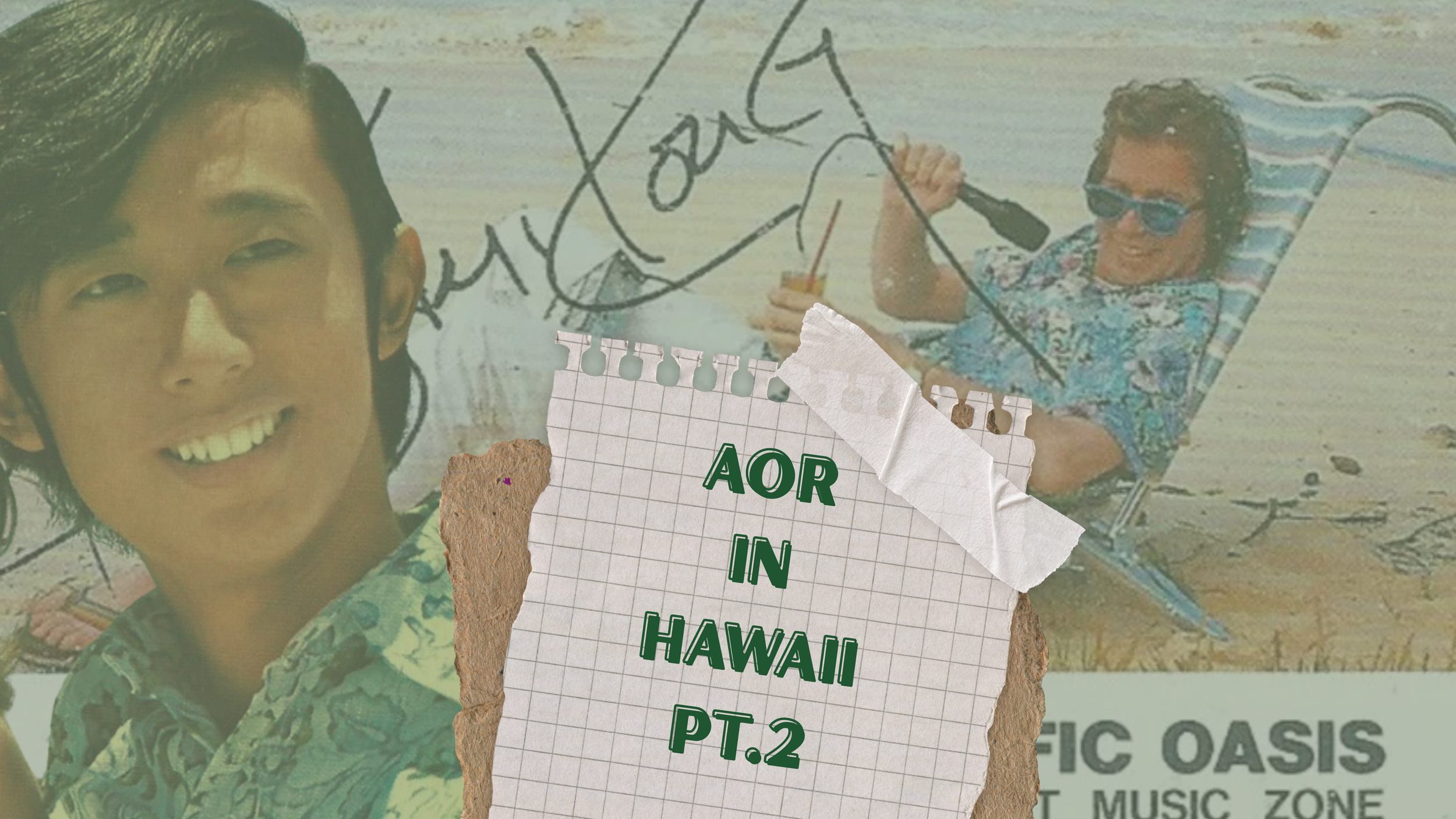
In this post, I share part two of an AI English translation of a recent Japanese interview from AOR Age (Edition 37 – January 2026), featuring myself alongside Lance Jyo, Kalapana, and Kamasami Kong. It’s an honor to see my music journey discussed through an international lens, and I’m grateful for the thoughtful questions and perspectives from Toshi Nakada of AOR Age.
It goes without saying that I have always been deeply grateful to Kamasami Kong. His belief in my music and his support on Hawaiian radio during the golden age of AOR in the 1980s played a pivotal role in shaping my career.
Disclaimer: The following interview was translated from Japanese to English using AI-assisted translation. The translation is interpretive rather than verbatim and is intended to convey the substance and context of the original discussion. Some inaccuracies or omissions may be present.
This interview content has been published with the awareness and approval of Kamasami Kong.
Kamasami Kong on Kevin I.:
Hawaiian AOR, Friendship, and My Continuum
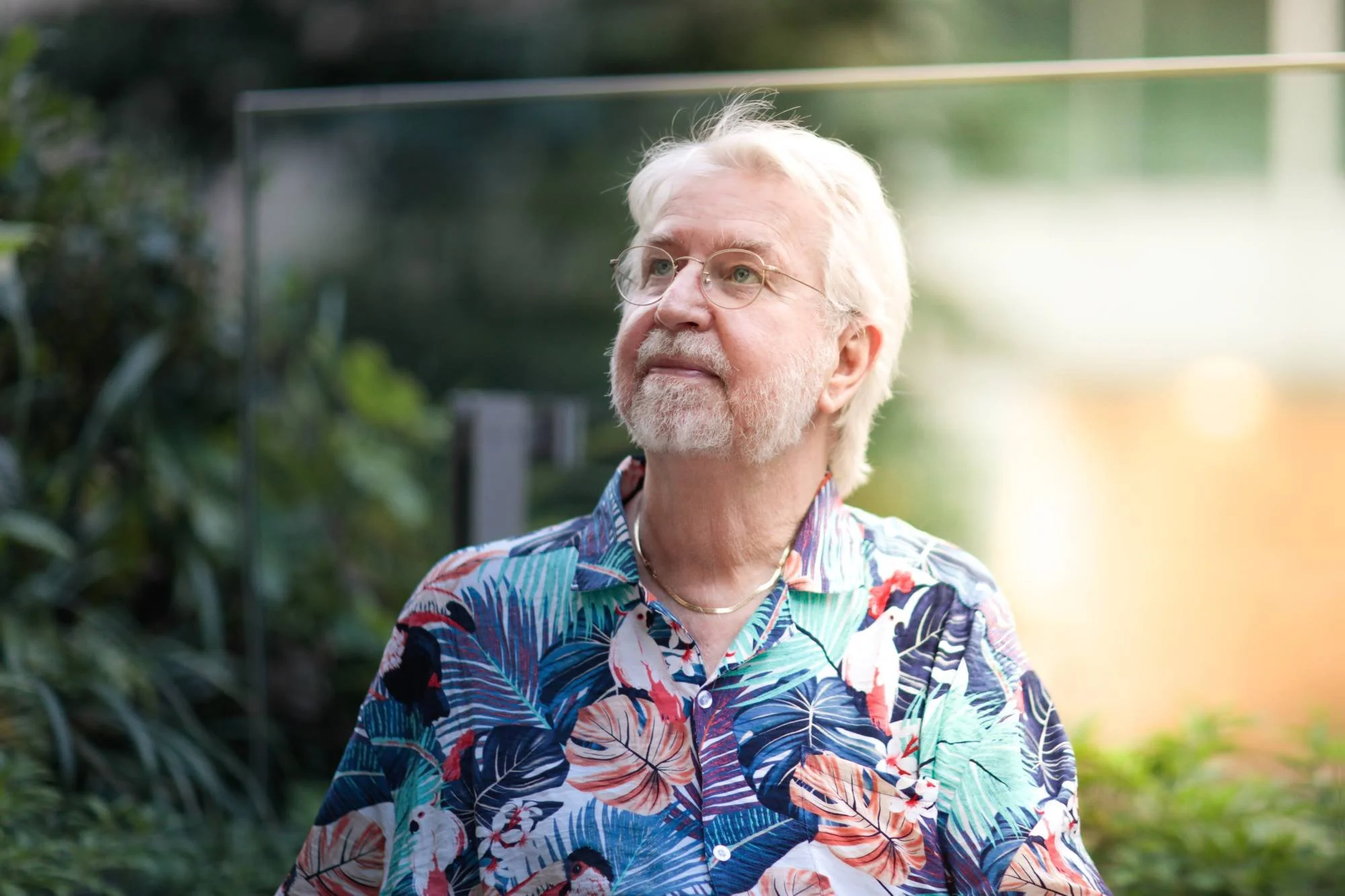
Kamasami Kong
Few voices are as closely associated with the rise of AOR and smooth radio culture as Kamasami Kong. As a broadcaster, tastemaker, and historian of the genre, Kong has long championed artists who bridged sophistication, soul, and emotional authenticity. Among those artists, one name holds particular significance: Kevin I. (Kevin Iwamoto).
Reflecting on the evolution of Hawaiian AOR, Kong notes that the islands produced a distinct interpretation of the genre — one that blended West Coast polish with melodic warmth, restraint, and emotional depth. While often overlooked internationally, Hawaiian AOR artists possessed musicality and professionalism equal to their mainland and Japanese counterparts.
“Hawaiian AOR developed its own identity… Kevin I. represents that tradition at a very high level.”
Kevin I. emerged from this scene as a standout vocalist. Kong recalls first encountering Kevin in the late 1970s and early 1980s, immediately recognizing a singer with exceptional control, a naturally smooth, soulful tone, and an ability to communicate vulnerability and maturity beyond his years. Beyond vocal ability, he emphasizes Kevin’s musical intelligence and adaptability. Kong notes that Kevin was equally comfortable recording, performing live, and adapting to different musical environments—something that separated him from many local artists of the time.
He describes Kevin as intelligent, thoughtful, and disciplined, with a strong sense of professionalism even at a young age.
When Kevin stepped away from recording to pursue a different professional path, Kong saw it not as an abandonment of music, but as a deliberate life decision grounded in clarity and foresight. Kong emphasizes that Kevin never abandoned music emotionally, even during his long absence from recording.
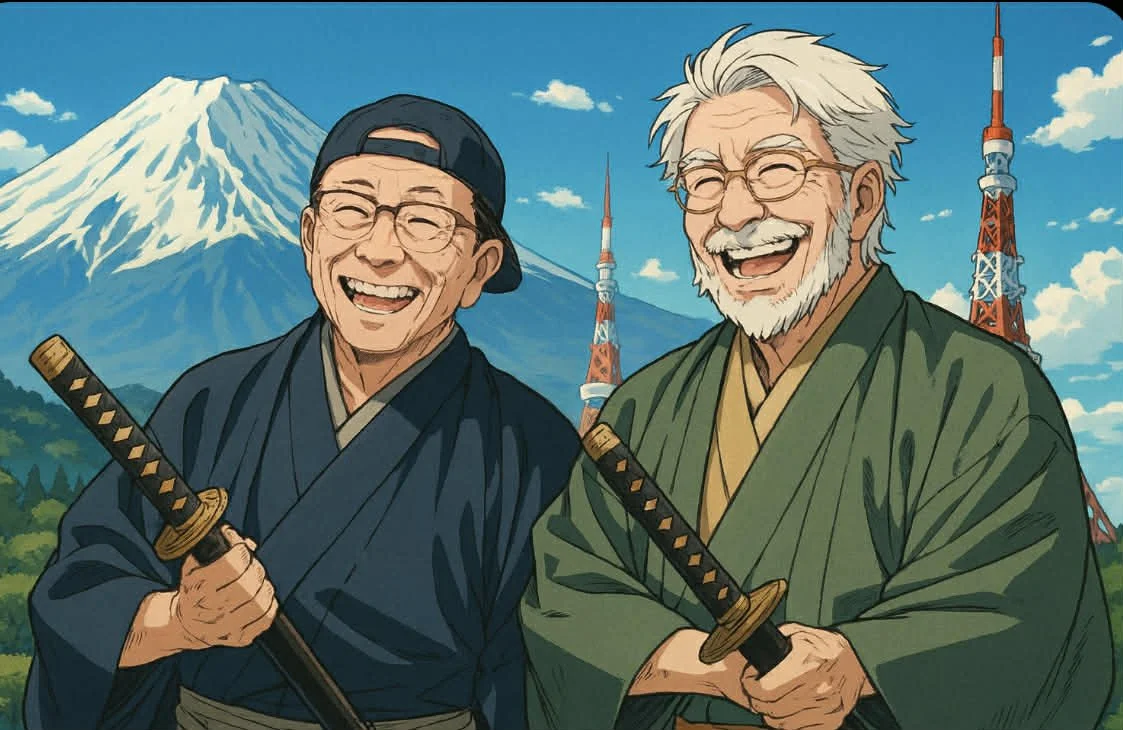
“Our relationship went beyond music. Kevin has always been thoughtful, disciplined, and intentional in the way he approaches life and his career.”
Decades later, Kevin I.’s return to music with the EP My Continuum stands out precisely because it avoids nostalgia. According to Kong, the project does not attempt to recreate the sound of the early 1980s. Instead, it reflects maturity, lived experience, and artistic confidence. Kong offers a highly positive evaluation of My Continuum, describing it as:
Refined and elegant
Emotionally honest
Vocally confident without excess
Contemporary while still rooted in classic AOR sensibility
On Kevin I.’s Return to Music
Kong expresses clear admiration for Kevin I.’s return to recording after several decades, stating that such a comeback is extremely rare—and even rarer when done with artistic integrity rather than nostalgia.
He stresses that Kevin did not attempt to recreate his early 1980s sound artificially. Instead, Kevin embraced maturity, life experience, and emotional depth.
Kong praises My Continuum for its cohesion and restraint, highlighting the warmth and nuance in Kevin’s vocals. The voice, he notes, has aged gracefully — retaining its smoothness while gaining emotional depth. The excellent and polished production supports the songs rather than overwhelming them, allowing space for melody and meaning.
“My Continuum doesn’t sound like a comeback. It sounds like a continuation — an honest reflection of where Kevin I. is today.”
The title itself reflects this philosophy: a seamless line connecting past, present, and future.
In closing, Kong expresses hope that renewed attention and interest of Kevin I.’s body of work will encourage broader recognition of Hawaiian AOR as an important and sophisticated chapter in music history. For him, Kevin’s journey represents integrity, patience, and continuity — qualities that resonate far beyond music genre or era.
(Translated from AOR Age magazine, edition 37, Japanese original)
Listen to My Continuum on Spotify!