Wait, Is It "Yacht Rock"? Why the Smooth Sounds of the late 70s & 80s Are Back
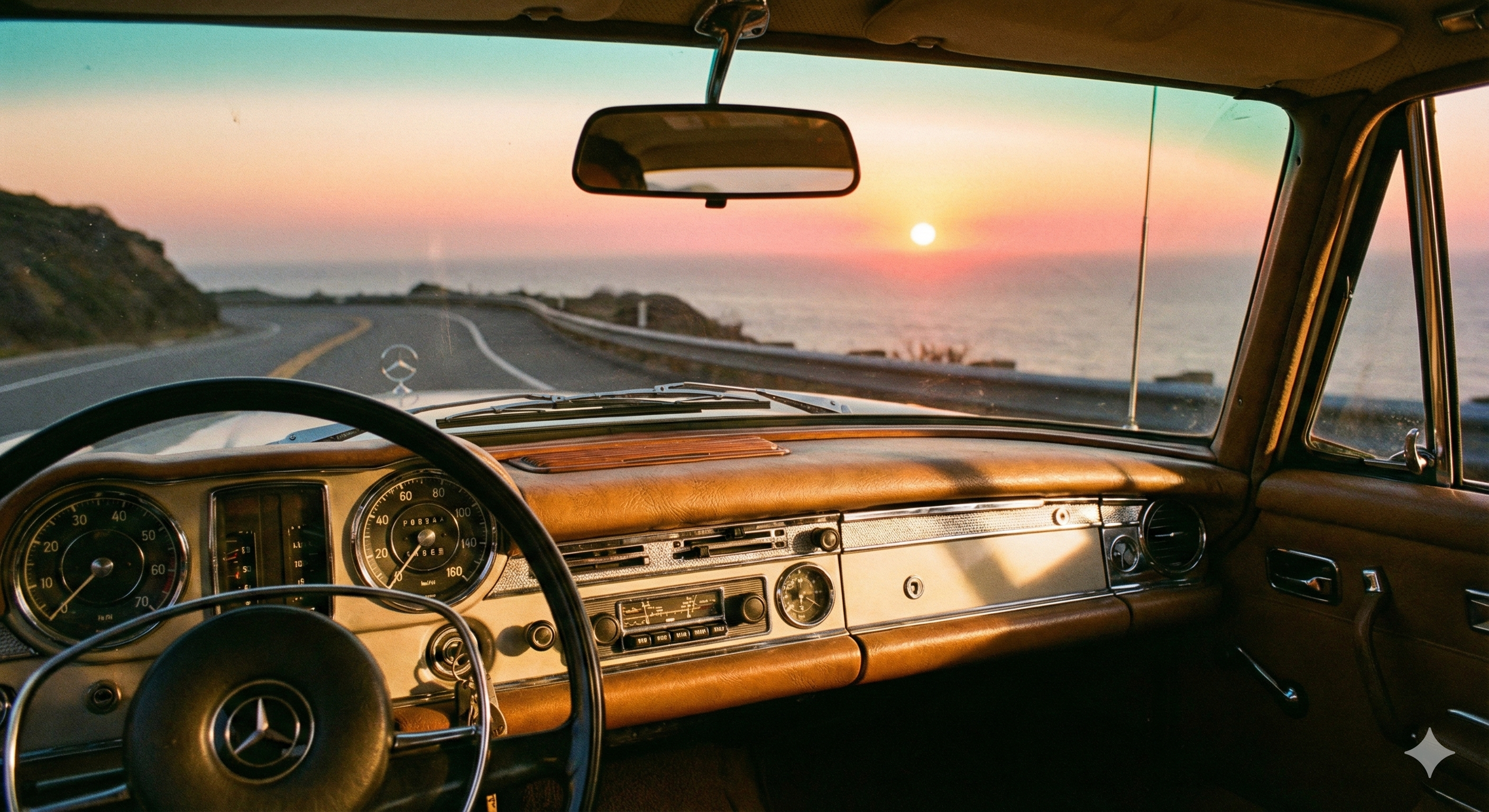
If you scroll through TikTok right now or browse the viral charts on Spotify, you might notice something surprising.
Between the trap beats and the synth-pop, a very different sound is trending. It’s smooth. It features electric pianos. It has saxophone solos. And the kids are calling it "Yacht Rock."
To see a whole new generation discovering the music of Michael McDonald, Steely Dan, Toto, and Hall & Oates is a beautiful thing. But for those of us who were there—writing, recording, and performing in the late 70s and 80s—it’s a little funny.
Back then, we didn't call it "Yacht Rock." We called it AOR (Album Oriented Rock), or simply the West Coast Sound. It wasn't about boats; it was about the studio.
But whatever you choose to call it, that smooth, polished aesthetic is back in a big way. As a musician who lived through that era and still records with that philosophy today, I have a few theories on why this specific sound is resonating so deeply right now.
1. It’s Jazz Disguised as Pop
The hallmark of the "Yacht Rock" genre is that it sounds effortless—like a breeze blowing through a convertible window. But don’t let the smoothness fool you. Under the hood, this is some of the most difficult pop music ever written.
To get that sound, you couldn't just be a "good" player. You had to be a master. Bands like Steely Dan or Toto were comprised of the world's best session musicians. They used complex jazz chords (maj7, add9, mu-major) but played them with a rock backbeat.
I think modern listeners are craving that musicianship. In an era of looped beats, there is something thrilling about hearing a real drummer lock in with a real bass player to create a groove that breathes.
(For more on how groove shaped this era, check out my previous post: More Than Disco: How Funk & Soul Grooves Shaped 80s Pop Music)
2. The "Yacht" Starter Pack: 3 Albums You Need to Know
If you are new to this genre and want to understand the standard of musicianship we were aiming for back then, you have to go to the source. These aren't just "soft rock" albums; they are masterclasses in production.
Steely Dan - Aja (1977): This is the holy grail. It’s polished, cynical, and jazzy. Listen to the drum solo on the title track—it’s legendary.
The Doobie Brothers - Minute by Minute (1978): This is where Michael McDonald changed the game. The soulful vocals over complex keyboard rhythms defined the "West Coast" sound.
Toto - Toto IV (1982): This album swept the Grammys for a reason. "Rosanna" and "Africa" are perfect examples of how to make complex music catchy.
3. The Sonic "Blanket" (Analog vs. Digital)
Modern music is often mixed to be "bright" and loud so it cuts through iPhone speakers. The "Yacht" era, however, was recorded on 2-inch tape.
It emphasizes the low-mids—the warm frequencies. It’s the sound of a Fender Rhodes electric piano or a muted guitar string. In a high-stress, high-anxiety world, this frequency range acts like a sonic blanket. It literally lowers your heart rate. It’s music that demands you sit back, not lean forward.
4. Hawaii: The Spiritual Home of the Sound
I can’t talk about this genre without mentioning my home, Hawaii.
While the genre was perfected in Los Angeles studios, its spirit was always Hawaiian. That blend of R&B groove, jazz harmony, and breezy melody is the soundtrack of the islands. Growing up here and performing in the 80s, this wasn't just a trend for us; it was the atmosphere. We played this music in the nightclubs of Waikiki because it fit the air.
My Take: Keeping the Smooth Alive
I’ve always gravitated toward this sound. I love the challenge of writing a melody that feels catchy but is supported by sophisticated chords.
When I selected songs for my recent EP, My Continuum, and specifically my track "Shine," I wasn't trying to chase a trend. I was trying to capture that same warmth I grew up admiring.
We didn't use auto-tune. We didn't "quantize" the drums to make them perfectly robotic. I wanted the keyboards to shimmer and the bass to walk, just like they did on those classic records. Check out local guitarist Dave Watanabe’s guitar solo on this song - it makes the song come alive.
If you are one of the millions of people rediscovering this genre, welcome aboard. The water is fine, the music is smooth, and the groove is eternal.
Discover the Vibe
If you’re looking for that smooth, late-night drive feeling—something that fits right in between a Boz Scaggs and a Christopher Cross track—I invite you to listen to "Shine."
It’s my tribute to the era of high-fidelity, smooth grooves, and music that makes you feel good.
Listen to "Shine" on Spotify: