Why Don't Songs Fade Out Anymore? The Disappearing Art of the Outro
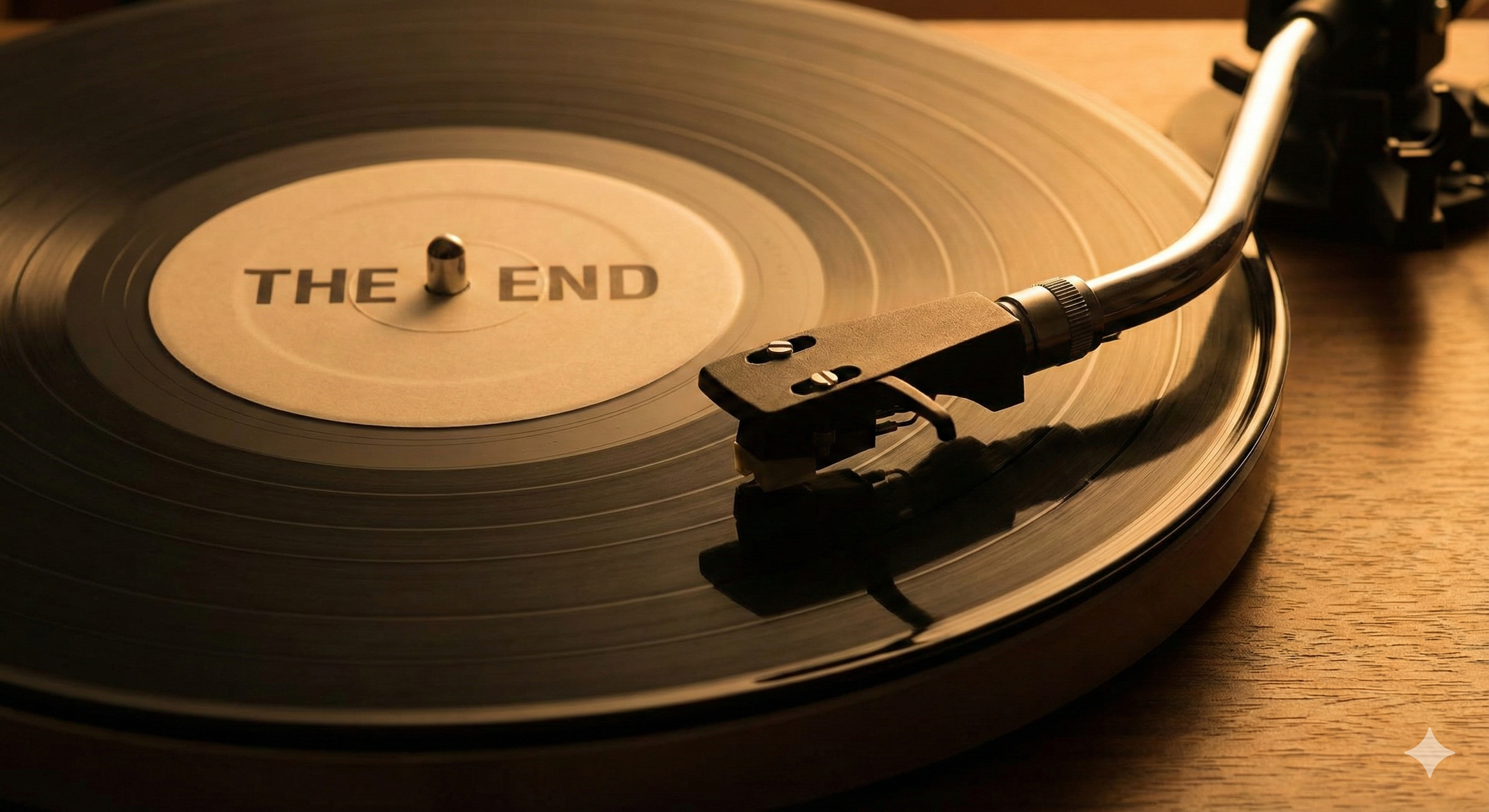
When was the last time you heard a new song on the radio that slowly, gradually faded into silence?
If you can’t remember, you aren’t alone. The "fade-out"—once a staple of 70s and 80s music—has almost gone extinct. Today, most songs end on a "hard stop" or a sudden cut.
As a songwriter who grew up listening to the epic long-plays of the vinyl era, I miss them. But the disappearance of the fade-out isn't just a random style change. It’s actually a result of how we consume technology.
Here is why the fade-out matters, why it disappeared, and the legendary songs that prove we need it back.
1. The Magic of the "Infinite Groove"
In the 80s, fading a song out wasn't just lazy engineering. It was a psychological trick.
When a song fades out while the band is still jamming, your brain imagines that the music never actually stops—it just travels out of earshot. It implies that the groove is eternal. It leaves you humming the tune long after the silence hits.
Some of the best moments in music history happened in the fade-out. It was the place where the vocalist could ad-lib, the guitarist could finally let loose, and the emotion could settle.
(Want to hear more hidden details in songs? Read my guide: How to Listen to Music Like a Producer | A 3-Step Guide)
2. The "Fade-Out" Hall of Fame: 3 Songs That Did It Best
To understand what we are losing, we have to look at the masters. If these songs had "hard stops," they wouldn't be classics.
The Eagles - Hotel California: The guitar solo at the end is arguably the most famous in rock history. It goes on for over two minutes. If they had cut that short to fit a radio edit, we would have lost half the magic.
The Beatles - Hey Jude: The "Na-na-na" section lasts for four minutes—longer than the song itself! It turns a sad song into a communal anthem. The fade-out makes you feel like the whole world is singing along.
Derek and the Dominos - Layla: The "Piano Exit" is a masterpiece. It changes the entire mood of the song from desperate rock to heartbreaking beauty. That slow fade is what makes it cinematic.
3. Why Did It Die? (Blame the "Skip Rate")
So, why don't we do this anymore? In the Spotify and TikTok era, the "Skip Rate" is king.
Data shows that modern listeners are incredibly impatient. If the energy of a song drops for even 5 seconds, listeners are likely to hit "Next." A 30-second long fade-out is now considered "wasted time" where a listener might get bored.
So, modern producers cut songs abruptly. They want to keep you engaged until the very last millisecond, or get you to the next track as fast as possible. It’s efficient, but is it emotional?
4. The "Live" Effect
Another reason for the hard stop is the shift toward "authenticity." A fade-out is a studio trick—you can't fade out in a live concert.
Many modern artists want their recordings to sound like a live performance in a room. Ending on a messy, definitive chord feels more "real" and raw than a smooth studio fade.
My Take: I Still Believe in the Journey
I understand the data, but I still believe in the journey of a song. A song shouldn't just be content to be consumed; it should be an experience.
Sometimes, the emotion needs time to settle. A fade-out allows the listener to process what they just heard before the real world rushes back in.
On my latest releases, I make specific choices about how to end every track. Does the story resolve? Or does it linger?
Listen Closer
If you listen to my EP My Continuum, pay attention to the endings. We tried to find a balance—keeping the energy high, but never robbing the song of its emotional conclusion.
Listen to "My Continuum" on Spotify: