Why Do Old Songs Make Us So Nostalgic? A Musician Explains the Power of Memory
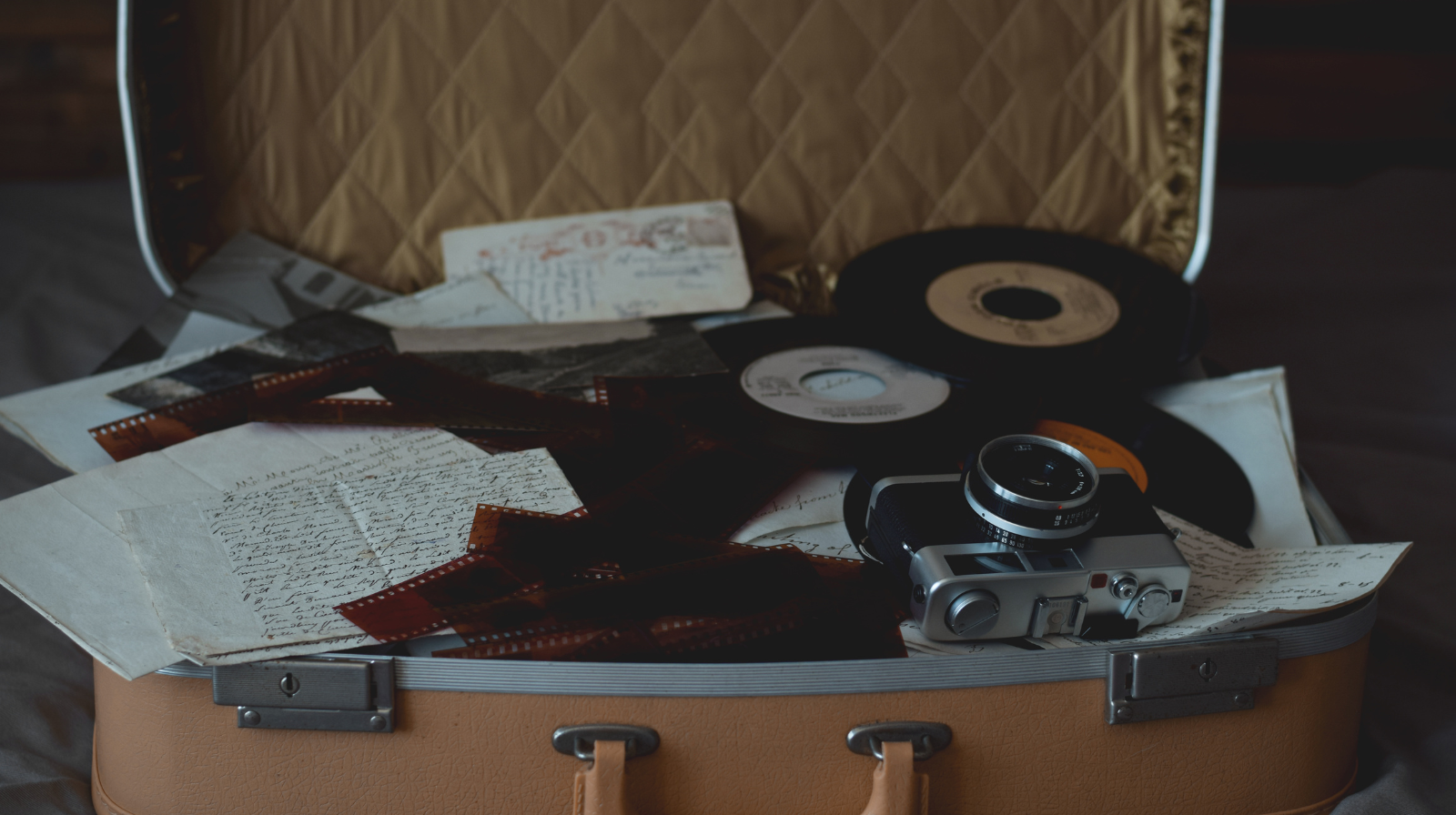
Music's Built-in Time Machine
It’s an almost magical experience. You're driving, and a song comes on the radio you haven't heard in 20 years. Instantly, you aren't in your car. You're back in your high school bedroom, at a school dance, or on a summer road trip with your friends. You can almost smell the air.
Why does this happen? Why does music have this unique, powerful ability to act as a time machine, pulling us back to a specific moment with such clarity?
As a musician whose own 80s songs are now being rediscovered by a new generation, this is a phenomenon I find incredibly moving. It’s not just in your head; there is a real, beautiful connection between music and memory.
1. The "Reminiscence Bump": Your Brain is Wired for It
There's a well-documented psychological effect known as the "reminiscence bump." In simple terms, it means that the memories we form during our formative years—our teens and early 20s—are the most powerful and vivid ones we will have for our entire lives.
This is the period when we're figuring out who we are, falling in love for the first time, and making our most important friendships. The music we're listening to during this intense time becomes the soundtrack to these core memories. The songs don't just get stored with the memories; they get "locked in" as part of them, creating an unbreakable bond.
2. Music Isn't Just Sound, It's an Emotional Cue
Unlike other memories, music is tied directly to our brain's emotional centers. When you remember a fact, you're recalling data. When you remember a song, you are, in a very real way, recalling the feeling.
A song is a powerful emotional cue. It's a shortcut back to the feeling of that first dance, that long summer drive, or even that first heartbreak. This is why a "sad song" from our past can feel so comforting, as we discussed in a previous post. It's a way of revisiting our past selves with the safety of the present.
A Personal Reflection: The Artist's Side of the Story
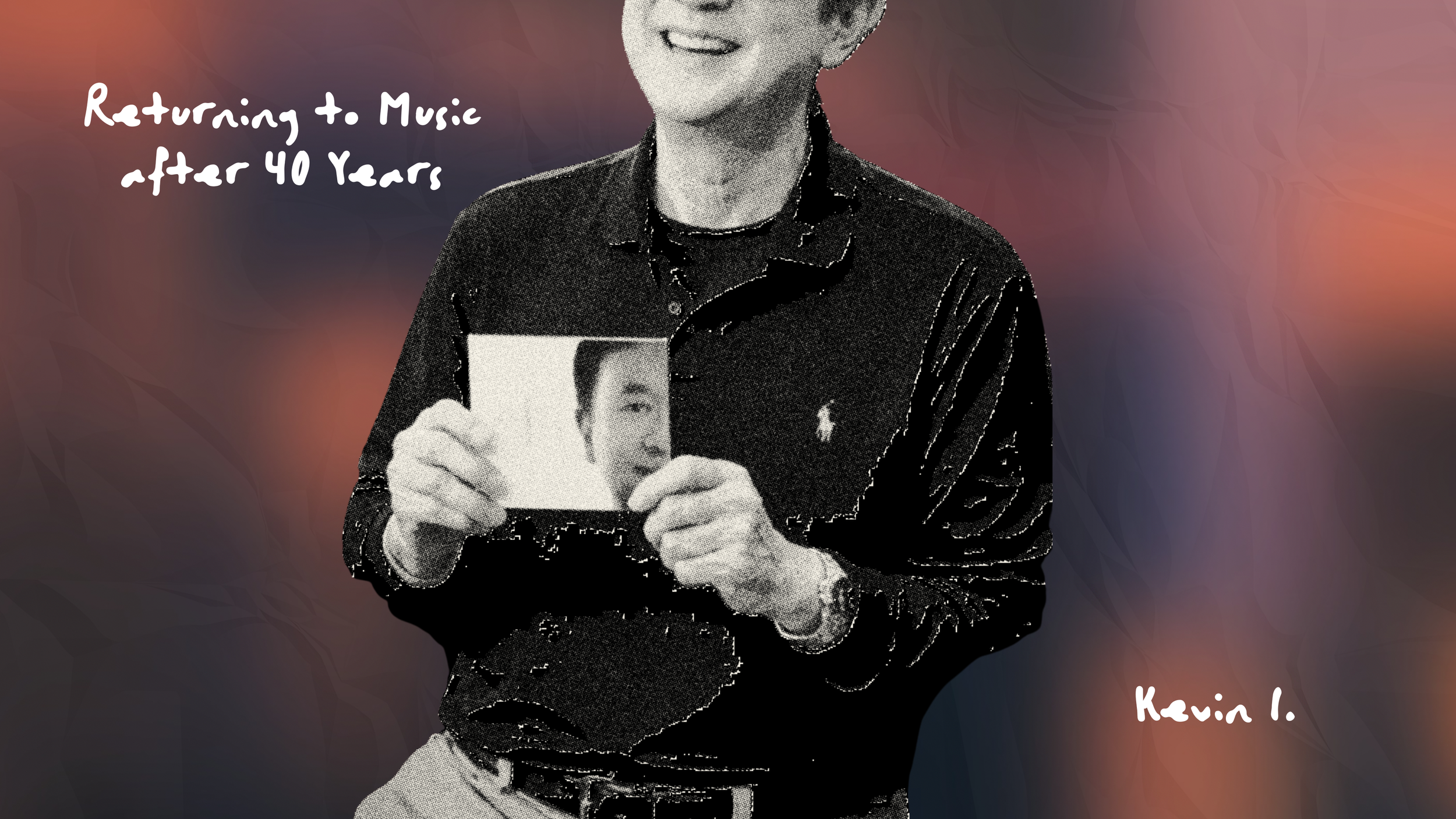
As an artist, you hope your songs connect with people. You pour your own feelings into them, and then you send them out into the world. The most amazing thing is seeing that connection happen in real-time, 40 years later.
When I see that my debut single from 1980, “Fairy Tale,” is still my #2 most-streamed song on Spotify, it's a truly humbling experience. It’s a song that was a local radio hit in Hawaii, the soundtrack to someone's youth. Now, through the magic of streaming, it’s becoming the soundtrack for a whole new generation.
It’s the greatest honor an artist can have: knowing that your song and music became a part of someone else's "reminiscence bump." It's proof that a good melody and an honest story are truly timeless.
Music is the closest thing we have to a time machine. It’s a way to keep our most cherished memories and feelings alive and with us, forever.
What's a song that instantly transports you back in time? I'd love to hear about it in the comments.
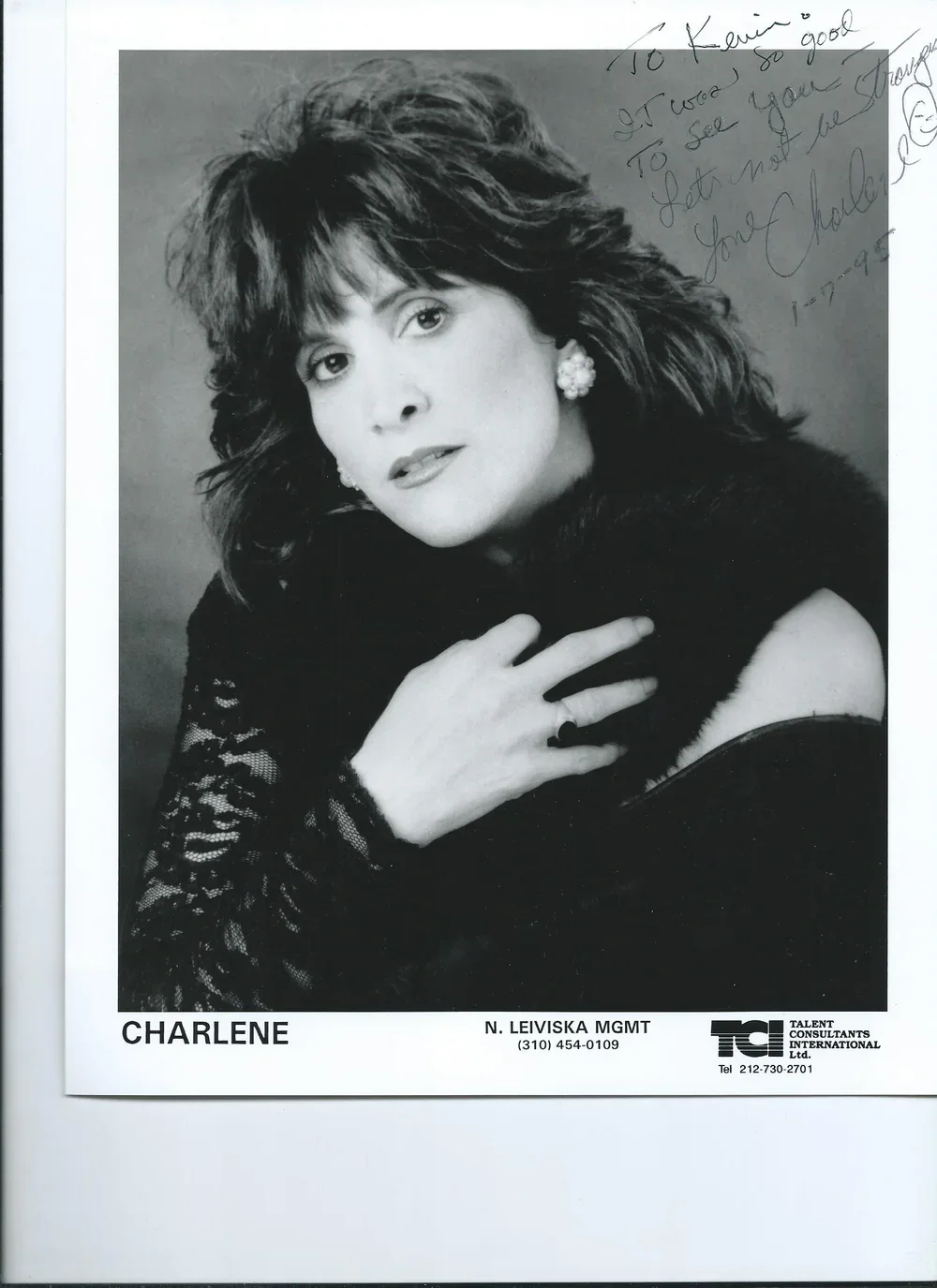
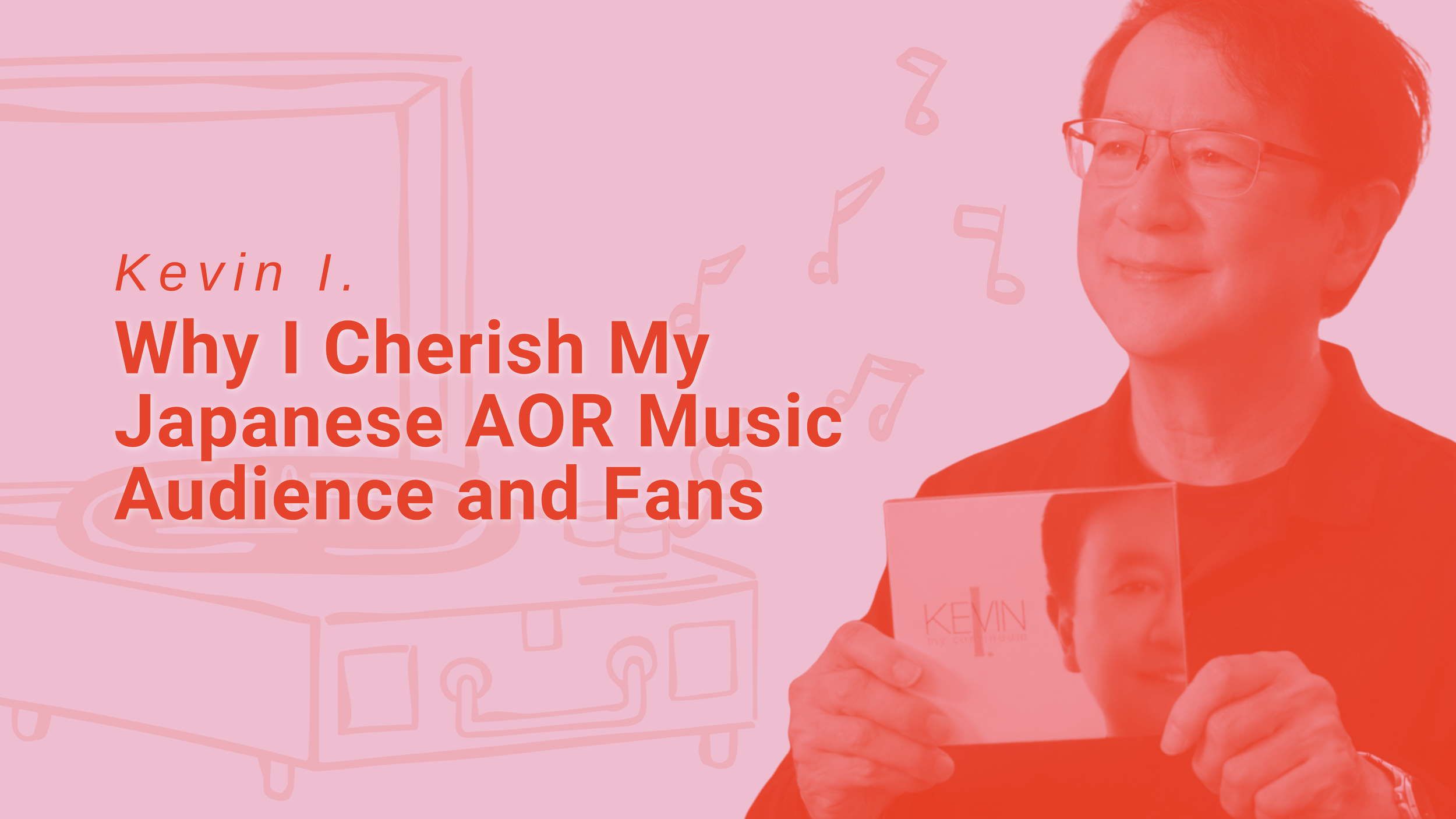
Kevin I. reflects on the consistent words critics, broadcasters, and listeners have used to describe his voice across decades — smooth, warm, soulful, emotional, and intimate — and how those qualities helped define his vocal fingerprint.